Xylitol And Oral Bacteria: What The Research Shows
Xylitol is a naturally occurring sugar alcohol found in small amounts in fruits and vegetables, and one of the more substantially researched ingredients in the oral care category.
It's arguably the single ingredient with the clearest evidence in a formula like Power Bite's, though it's worth understanding exactly what mechanism the research supports.
How xylitol is thought to work
Unlike regular sugar, oral bacteria (particularly Streptococcus mutans, a species strongly linked to tooth decay) cannot effectively metabolize xylitol. Research suggests regular xylitol exposure may reduce these bacteria's ability to adhere to tooth surfaces over time, which is the proposed mechanism behind its inclusion in oral care products.
What the research generally measures
Human studies on xylitol have looked at measures including bacterial counts, plaque formation, and in some longer-term studies, cavity rates, typically using chewing gum or lozenge delivery over months of regular use. Research is indexed on the NCBI.
Why delivery format and frequency matter
What the evidence does not support
Xylitol is not a treatment for existing cavities or a substitute for brushing and flossing. Its research support concerns prevention-oriented outcomes over months of regular use, not reversal of existing dental damage.
Applying this to Power Bite
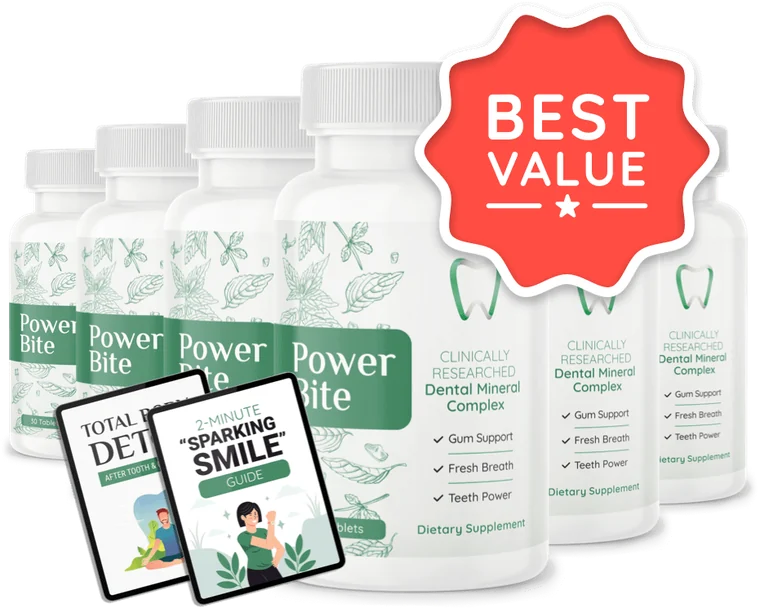
Xylitol is one of the seven named ingredients in Power Bite's formula, included specifically for its association with reduced bacterial adherence, delivered via the once-nightly dissolving format rather than throughout-the-day dosing.